
Professor Dave: Everything you need to know about Statutes of Limitation

BKM Managing Partner David Betras
In this episode of Legally Speaking on WFMJ Today, Professor David Betras convenes another session of his popular “Shade Tree” Law School. The topic of todays lecture: Statutes of Limitations: what they are and how they impact both civil and criminal law.
We invite you to take notes, remind you that no gum chewing is allowed in class, and emphasize that there will NOT be a quiz at the end of lesson…
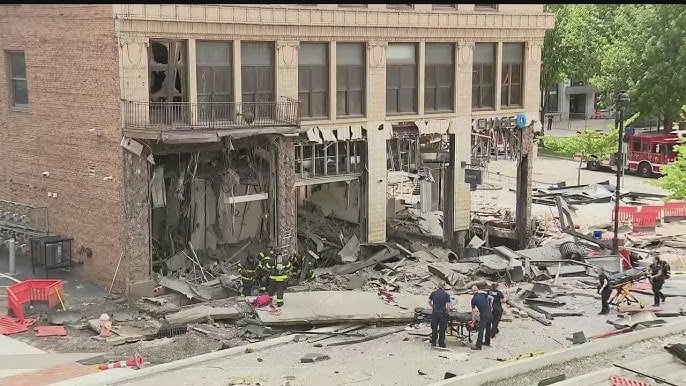
Good morning class. As you may have noticed, a few lawsuits have been filed over the past week related to the explosion that nearly destroyed the Realty Building, killed on person, and seriously injured others.
The timing of the filing is interesting because it coincides with the impending expiration of the two-year statute of limitations that apply to many civil suits.
With that as preface, let’s dig in.
First, the time span for civil and criminal cases is wildly different. In general negligence suits like the ones pending against the Realty Building carry a two yar limit. But, because we’re speaking about the law, there are exceptions that could extend the time period by two years.
In cases dealing with contracts the limit is generally eight years, ten years is fraud is involved.
Medical, legal, accounting and other types of professional malpractice have a one-year limit that under certain circumstances can be extended to two or more but may never exceed four years.
In criminal cases the limits are longer. For example, there is no statute of limitations for murder. In Ohio, the statute for rape is 25 years. If DNA is found, however, charges must be brought five years after the DNA has been discovered.
Most other serious criminal offenses carry statutes ranging from five to eight years although some factors, including the age of the victim, may extend the time limit for a particular crime.
The principle behind all this is the government’s desire to spur people to exercise their rights under the law in a reasonable amount of time.
If you do not, you commit “laches” which means you have waited so long to file a claim or seek relief in court that you are no longer permitted to file the claim. In short, it’s use it or lose it.
So that’s sort of the down and dirty of statute of limitations. In the Realty Building explosion, three cases have been filed in the last week—a full two years after the incident.
It’s important to note that waiting until the last minute to file does not necessarily weaken a case, but filing early ensures that evidence is preserved and witnesses are deposed before their memories fade. That’s why we routinely issue preservation of evidence demands when we are involved in a negligence case.
That notification can be critical because if the defendants in a case destroy evidence that works to our benefit because it infers the evidence would have helped us.
Finally, I’m often asked why the limits are what they are, particularly in civil matters. The easy—and the right answer—is insurance companies. They spend a lot of time and money lobbying legislators across the country to shorten limits because doing so protects their clients and makes it more difficult for injured people to seek and secure justice
I’d be remiss, however, if I didn’t place some of the blame for the convoluted system on my own profession. The more complicated we make certain aspects of the law, the more likely it is that people will need to hire an attorney.
That’s it, class dismissed, and thanks for attending Professor Dave’s Shade Tree Law School.
See less




