David Betras lauds Afroman as a hero of the First Amendment, explains why defamation suit filed against rapper was doomed
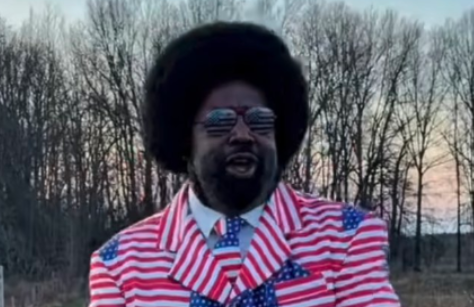
In this episode of Legally Speaking on WFMJ Today, BK Managing Shareholder David Betras lends his unique perspective to the captivating case of Afroman, the rapper whose house was raided by the Adams County Sheriff’s Office.
Unfortunately for the deputies—and much to amusement of millions of people around the world—the entire incident, which included a rotund deputy longingly eyeing a piece of lemon pound cake on Afroman’s kitchen counter, was preserved for all time on the rapper’s extensive surveillance camera system. The raid produced no evidence of wrongdoing on Afroman’s part, who immediately did what he does best with the footage: use it as inspiration for a number of rap songs that were, shall we say, less than flattering to the deputies. The rapper’s creations went viral moments after he posted them on social media, eliciting worldwide scorn and derision for the deputies .
Unamused and totally lacking senses of humor—just as they had lacked evidence the Afroman was engaged in criminal acts—the deputies filed defamation suits against him in Adams County Common Pleas Court claiming they had been damaged by the videos. Among the damage: the deputy who eyed up the lemon pound cake received hundreds of them In the mail…
As David notes, the suit should have been summarily dismissed by they judge assigned to hear it. He didn’t and the case went to trial. After some testimony from the plaintiffs that was absolutely hilarious, the jury in the small rural county ruled in Afroman’s favor, proving, David observed that the Constitution is the Constitution and juror’s knew and obviously appreciated well-done satire when they saw it. And that, David said, was the key to the verdict in the case because satire is protected by the First Amendment. “I love this case because even in the smallest county in Ohio the jurors saw saw that this was really a ridiculous lawsuit.
David explained that the outcome of the case hinged on whether Afroman had libeled or slandered the deputies. A defendant is guilty of liable or slander if they knowingly made false accusations or statements about a person or persons and those parties suffered damages. Clearly, Afroman didn’t make any false accusations, everything the deputies did was caught on tape.
In addition, in 1988 the United States Supreme Court ruled unanimously in Hustler v. Falwell that ruled that the First Amendment prohibits public figures from recovering damages for emotional distress caused by parody or satire, even if it is “outrageous.” The deuputies were clearly public figures and Afroman’s work was indisputably satire. That’s why the judge should have tossed the case out of court immediately.
Fortunately, the jury corrected his error. So, to sum up, at the end of the day justice was done, the deputies who participated in the raid were justifiably embarrassed, and Afroman became an international superstar. And people ask me why I love the law…