Attorney Frank Cassese comments on the reversal of Alex Murdaugh’s murder conviction and the dangers of jury tampering

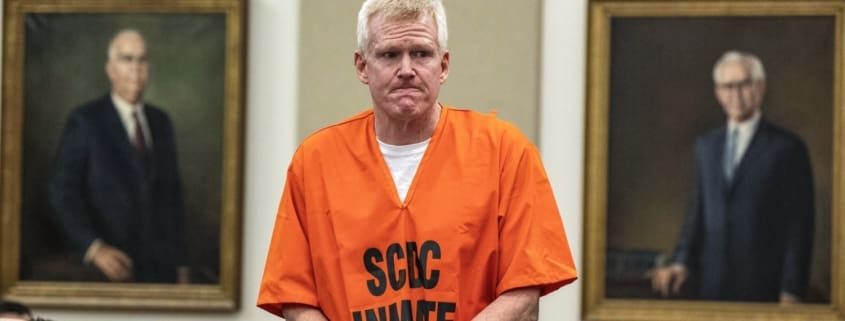
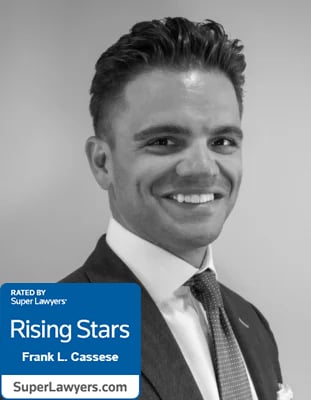
In this episode of Legally Speaking on WFMJ Today, BK Shareholder, SuperLawyer, and respected criminal defense attorney Frank Cassese provides perspective on the South Carolina Supreme Court’s decision to overturn the conviction of Alex Murdaugh, the prominent personal injury lawyer found guilty of murdering his wife Maggie and son Paul at their home in 2021.

Murdaugh’s 2023 trial garnered worldwide media attention rivaling the O.J. Simpson case. After being found guilty by a jury, Murdaugh was sentenced to two consecutive life terms without the possibility of parole.
But, in a shocking turn of events, South Carolina’ high court, citing jury tampering and misconduct by the court clerk during the original trial, overturned the verdict and ordered that Murdaugh be retried.

According to Attorney Cassese, allegations of jury tampering by the clerk of courts assigned to the case arose during the trial. The Supreme Court found the clerk had improperly attempted to influence the jury during the proceedings. That finding led to the reversal of the Murdaugh’s conviction.

Attorney Cassese explained that jury tampering is the number one “no-no” in criminal and civil cases.

“Jury deliberations are very sacred,” Atty. Cassese said. “So it is an egregious violation to tamper with that process.”

Frank noted that even though his murder conviction has been overturned, Murdaugh has been sentenced to 40 years in prison for financial crimes he committed during his legal career. So even though the Supreme Court has ordered a new trial, Murdaugh won’t be getting out of prison any time soon. “That means he could go back to court, be acquitted of the murder charges and still remain in prison for the rest of his life.”

“As a trial lawyer, someone attempting to improperly influence a jury is one of the biggest concerns you can ever have,” Atty. Cassese continued.

“There were allegations that the court clerk in question had a stake in the outcome of the trial because she had negotiated a deal to write a book about the crime and the trial. That’s what led to the reversal,” he said.

Frank then discussed juries and undue influence in general. “People don’t realize that when they see news and sees snippets of stories about cases they’re not getting the whole picture of the matter being tried.”

“On the other hand, a jury sees all the evidence, and it is the state’s responsibility—whether it is the state of Ohio or the state of South Carolina—to use that evidence to prove the defendant is guilty beyond a reasonable doubt,” he said.

“So sometimes when people are acquitted, it doesn’t necessarily mean a jury thinks they’re innocent. It means that the prosecutors didn’t prove their case,” Atty. Cassese noted.

“And here is a critically important point: the jury is only permitted to consider the evidence that is presented to them. They can’t or watch stories in the media and they can’t Google search for information,” he continued.

“Why?  Because information from outside the proceedings can be illegitimate or inaccurate. That is why judges often give jurors strict orders not to speak to others about the case, not to look up info on their phone, or read about the case on social media.”

Frank also took note of the fact that the Attorney General of South Carolina said the case would be retried as quickly as possible and emphasized that no one was above the law.

“He made those statements because he wanted to assure the public that although Murdaugh was once a prominent and powerful figure in the state he won’t receive special treatment. He wants people to know justice will be served,” Atty. Cassese concluded.

Attorney Aaron Thomas joins BK as Manager of Tampa, FL office and Leaders of firm’s Real Estate Practive Group

We are pleased to announce that Attorney Aaron Thomas has joined BetrasKopp’s elite legal team as a shareholder, manager of our Tampa, Florida office, and Leader of our Real Estate Practice Group. He is also working closely with our Complex Business Litigation and Sports Law Practice Groups.
Aaron’s exceptional expertise and experience, which includes structuring and executing multi-national transactions, will significantly expand and enhance all aspects of BK’s complex business and sports law operations.
We invite you to take a moment to review Aaron’s professional biography:
Attorney Aaron Thomas, who joined Betras Kopp Attorneys at Law in January 2026 as a shareholder, manages the firm’s Tampa, Florida office and leads the firm’s Real Estate Practice Group. He also oversees the firm’s closing and title insurance operations and works closely with BK’s Complex Litigation and Sports Law Practice Groups.
Based in Tampa, Aaron represents developers, lenders, investors, and business entities in complex real estate, corporate, and sports-related transactions throughout the United States and across the world.
Aaron’s practice focuses on the acquisition, development, financing, and disposition of diverse commercial real estate assets, including hotels, multifamily communities, office buildings, and luxury residential properties. He regularly represents both lenders and borrowers in mortgage and mezzanine loans, construction lending, and other complex financing transactions. He also serves as a trusted advisor to clients engaged in joint ventures, private company acquisitions, and business divestitures.
As leader of the firm’s Real Estate Practice Group Aaron manages all aspects of the firm’s closing and title insurance business which includes overseeing residential and commercial closings throughout the State of Florida, working with title underwriters, and ensuring compliance with all regulatory and underwriting requirements.
A considerable portion of Aaron’s practice involves high-volume residential closings, complex commercial transactions, and serving as a strategic advisor on title, survey, and insurability issues. He also works closely with, supports, and provides expert counsel to BetrasKopp attorneys in Florida and Ohio who are engaged in complex real estate and title transactions.
Aaron also brings vast experience and expertise to BK’s Sports Law Practice Group where he plays an integral role in structuring and executing transactions involving professional sports organizations and related entities. During his career he has been involved in the purchase and sale of sale of professional sports franchises in the United States, Europe, and the Middle East. Most notably, he represented a consortium of U.S. and international investors in the acquisition of a minority interest in Plymouth Argyle Football Club and Hapoel Tel Aviv F.C.
Aaron also maintains robust land use, government relations, and regulatory practice. He represents clients throughout Florida in zoning, permitting, and regulatory matters. He has successfully negotiated more than 100 settlements under the Bert J. Harris, Jr. Private Property Rights Protection Act and routinely secures site plan approvals, special exceptions, and variances for residential, multifamily, and commercial developments.
Aaron is a member of and active in the Florida Bar and its Young Lawyers Division as well as the Hillsborough County Bar Association.
Aaron, a three-time Academic All-American, graduated Summa Cum Laude from Mars Hill College where he received his Bachelor of Arts in Business Administration with a concentration in Entrepreneurship. He then earned his Juris Doctor from Florida International University College of Law.
Aaron and his wife Jordan have two daughters: Hayden and Remi.

See less

Professor Dave: LIveNation, Ticketmaster anti-trust verdict is winning ticket for consumers

In this episode of Legally Speaking on WFMJ Today, Professor David Betras convenes a session of the shade tree law school to teach viewers a few things about anti-trust law and how it led to a landmark case in which a jury found that Ticketmaster and Live Nation were operating as a monopoly in the live concert market. You can watch the segment here.

In order to understand the law that led to the verdict that may make concert tickets affordable for average Americans,  Professor Betras said we must travel back in time to the 1890s.

At that time, which is commonly referred to as the Progressive Era, a few companies led by Robber Barons like Andrew Carnegie and J.D. Rockefeller, had seized control of vital industries, including coal mining, oil production, and the railroads.

Teddy Roosevelt and other progressives reacted by passing the Sherman Anti-Trust Act that forced the breakup of the monopolies. In 1914 Congress strengthened Sherman by passing the Clayton which established the Federal Trade Commission and empowered it to regulate commerce and prevent the formation of monopolies.

Sherman and Clayton are among the most important statutes ever enacted because competition is key to the survival of a capitalist economic system like ours.

Remove competition from the equation and consumers not only suffer, they contemplate revolution.

With that as background, let’s discuss the Live Nation/Ticketmaster case. For years artists and fans had complained that the companies had a stranglehold on the live concert market which led to an explosion in ticket prices.

The jury in the case agreed. But the battle is not over. There now has to be a second trial to determine how the monopoly should be broken up. That means ticket prices won’t be coming down to Earth any time soon.

Some of our older viewers may remembers that the Bell Telephone system was involved in a similar case. Back in the old days when phones hanged on our walls the Princess phone was the height of innovation, if you wanted to buy a phone you had to purchase equipment made by Western Electric which was owned by Beel and hook it up to hard lines owned by the company. For all intents and purposes, AT&T controlled every part of America’s phone system.

In 1974 the federal government filed suit alleging the obvious: AT&T was a monopoly. In 1982 the company and the feds settled the case. AT&T agreed to be broken up into seven “Baby Bells,” AT&t was allowed to maintain it’s long-distance business and retain ownership of Western Electric.

The settlement was finalized in 1984 which illustrates how long these complicated lawsuits can drag on. Today, telephone service looks nothing like it did when AT&T monopolized the market. The settlement spurred innovation and competition that led to the development of cellular service, the iPhone, and other technology that was unimaginable in the mid-70s.

The bottom line is this: Competition is good for the economy and consumers. Here are a couple more examples: In the 1960s and ‘70s the U.S. severely restricted imports of foregone cars. The result? The Big Three automakers rested on their laurels and made, pardon my French, crappy vehicles.

When import restrictions were lifted and domestic producers were forced to compete the quality of vehicles made in the U.S. increased exponentially.

The same goes for home and auto insurance. The insurers don’t spend billions of dollars on advertising because they don’t want your business. They do, desperately. So I shop my coverage every year and normally save $800 to $900.

The same principle applies to plane tickets, hotel rooms, washing machines, and big screen TVs—just about everything we buy is better and cheaper because of competition—and that’s what will happen to concert tickets when the Live Nation case is resolved.

So, here is the key take away from Professor Dave’s lesson: Competition good, monopolies bad.

Class dismissed. Let’s have some Landmark donuts.

BK Managing Shareholder David Betras provides insight/info on medical malpractice, insurance companies, flooding, during Free Legal Advice Monday broadcast on WFMJ Today

OK, OK, it wasn’t exactly the first Monday of the month, but due to circumstances beyond our control BK Managing Shareholder David Betras spend the morning of April 13 answering questions from viewers on the set of WFMJ Today. You can watch the episode here.

He’ll be back on Monday, May 4, so if you have a question for David call 330-744-8821 during the show, DM us on our Facebook page, or email your question to wfmjtoday@wfmj.com David will be happy to help in any way he can.

Here are the interesting and informative queries he handled deftly during the broadcast…

Question 1: I’m wondering if there is anything I can about this. I had a breast cancer reconstruction surgery which my health insurance company refused to pay for. They said they didn’t cover it because it was coded as cosmetic surgery.

I contacted the doctor, the insurance company, and the hospital. The hospital denied that the procedure had been coded incorrectly. I appealed the Insurance company’s decision and they denied it again. As a result, I now have a $20,000 debt that’s been turned into collections.

I haven’t paid anything yet. Five years later they offered to settle for 10% There is more to the story, but any advice David can offer will be greatly appreciated.

David’s answer: I hate insurance companies. I would have fought the insurance company on her behalf. She could have filed suit against the insurance company. I’d have to see the policy, but this is ridiculous. It sounds like she had breast cancer and had a mastectomy or a partial mastectomy, and that’s part of the treatment. It’s not cosmetic. She’s not going in for a breast enlargement. She had the surgery because they removed a breast. It’s ridiculous. She still has time to hire an attorney and pursue this because the providers are continuing to attempt to collect their money.

Question 2: If I’m married and making my will but don’t want my partner to be the beneficiary of my estate, can I designate someone else to take charge of my belongings or does it have to be my spouse?

David’s answer: Unless you have a prenup, the law protects a spouse. So, if you make a will and try to cut out your spouse, she or he… can elect against the will because under Ohio law you must provide certain things for them.  So, you can’t cut them out altogether, but if you see a lawyer they will tell you what you must give them by law.

Question 3: My basement flooded due to all the rain we got recently. It has never happened before. I’m concerned it may have something to do with work the city is doing near their road. Who should I contact to look into this situation?  Should I contact an attorney or have someone do an inspection first?

David’s answer: I would get an inspection first. You have to determine where that water came from. I also suggest that they contact their council person to find out if the city or the contractor doing the work has insurance that would pay for the damage. If that doesn’t work, you could try to turn it into your homeowner’s insurance, but the insurer is going to want to know where that water came from. So, inspection first, city council person next. and your insurance company at the same time.

If you don’t get any relief it’s time to get a lawyer involved.

Question 4: I use a cell phone for work. Is it legal for a company to require me to add apps like a time clock or an app allowing them to contact you for work on your personal cell phone? Can I refuse to use my personal cell phone for work?

David’s answer: Yeah, but then they can fire you.  You have a fair point. If you don’t want them doing that, then just say you’re not going to do that, and then they can fire you, and there’s nothing you can do about it because Ohio is a will to work state.

That’s the way the cookie…

I hate these apps because I have so many passwords. A lot of times, you don’t go in and use the app, and then when you have to, if it didn’t recognize your face or something, I’m like, oh, God, what was the password on this? I can’t remember all these passwords. You’re going to reset it and say, oh, you can’t use a previous password. Yeah. Ah! We feel your pain. Honestly, these passwords are driving me nuts. Driving us all nuts.

Question 5: I bought cars for two of my family members. Both times, I have paid cash for the car. One time, it involved a trade-in. My question is, why do I have to pay a $300 to $400 documentation fee?

David’s answer: I don’t know why you’re paying a $300 to$400 documentation fee. Did you ask the dealership?

Caller: Well, no, unfortunately, I did not.

David: Well, I don’t think every dealership charges a documentation fee. There’s licensing fees and titles, but they’re not $300. I just bought a car. I didn’t pay any documentation fee. I always buy extra insurance on my wheels because I always hit my wheel rims. As it relates to this situation, I would go to the dealership and ask them what that documentation fee is’ what they charged you $300 for, okay?

Caller: Do I have any legal recourse?

David: I won’t know that until they’ll tell you what the documentation fee is for. And then if it sounds bogus, you can take them to small claims court for it.

Question 6: Can a landlord charge a pet deposit for an emotional support dog?

David’s answer: No. I don’t think so under the Americans with Disability Act. The dog is not a pet. It’s a service animal. So, I would contact the Ohio Attorney General and see if they can help you.

Question 7: Can you claim your children on taxes even if your kids are being taken care of by grandparents?

David’s answer: That’s better for an accountant, but if you have dependents and probably,unless the grandparents are taking the deduction, if they didn’t do anything formal through the courts they probably could still take the children as dependents.

Question 8: A person says their and their neighbor’s basements have flooded with sewage several times over the last 20 years. The city’s come out to take a look at the drains a few times, hired someone to inspect them who said the answer was inconclusive. They city keeps saying they’re going to fix the problem, but so far hasn’t. The person’s gone to city council meetings to complain. They were flooded again two weeks ago with heavy rain and more sewage water, which ruined more belongings.

So is the question: is there any way they can sue the city or take some sort of legal action to make tcity officials take the problem more seriously?

David’s answer: First, I would get an independent inspection to determine why this is happening.  If it is the city’s fault you may have recourse because they’ve been on notice about the problem.

You’ll want to turn this into your homeowner’s insurance, of course. But you want to make sure you get the problem fixed. So start by having an independent party diagnose the problem.

Question 9:  This person says a friend of hers lost her baby after a C-section when medical professionals neglected a fetal monitor that showed the baby’s heart had stopped. Twelve minutes went by before anyone did anything. In addition, sponges were then left inside of her, she got an infection she had to go back in and have them surgically removed. Does she have a medical malpractice case?

David’s answer: Absolutely she has a case. There’s definitely something wrong if the situation is as described. Please have your friend contact us at 330-746-8484 so we can talk to her and evaluate what happened. There’s no charge for initial consultations.

Tune in on  May 4 for the next episode of Free  Legal Advice Monday on WFMJ Today…

David Betras lauds Afroman as a hero of the First Amendment, explains why defamation suit filed against rapper was doomed

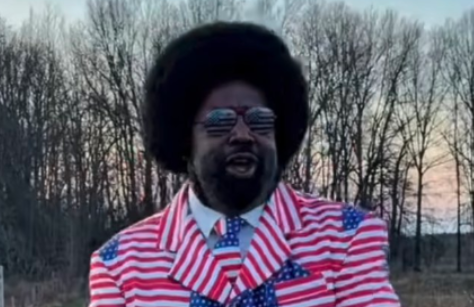
In this episode of Legally Speaking on WFMJ Today, BK Managing Shareholder David Betras lends his unique perspective to the captivating case of Afroman, the rapper whose house was raided by the Adams County Sheriff’s Office.

Unfortunately for the deputies—and much to amusement of millions of people around the world—the entire incident, which included a rotund deputy longingly eyeing a piece of lemon pound cake on Afroman’s kitchen counter, was preserved for all time on the rapper’s extensive surveillance camera system. The raid produced no evidence of wrongdoing on Afroman’s part, who immediately did what he does best with the footage: use it as inspiration for a number of rap songs that were, shall we say, less than flattering to the deputies. The rapper’s creations went viral moments after he posted them on social media, eliciting worldwide scorn and derision for the deputies .

Unamused and totally lacking senses of humor—just as they had lacked evidence the Afroman was engaged in criminal acts—the deputies filed defamation suits against him in Adams County Common Pleas Court claiming they had been damaged by the videos. Among the damage: the deputy who eyed up the lemon pound cake received hundreds of them In the mail…

As David notes, the suit should have been summarily dismissed by they judge assigned to hear it. He didn’t and the case went to trial. After some testimony from the plaintiffs that was absolutely hilarious, the jury in the small rural county ruled in Afroman’s favor, proving, David observed that the Constitution is the Constitution and juror’s knew and obviously appreciated well-done satire when they saw it. And that, David said, was the key to the verdict in the case because satire is protected by the First Amendment. “I love this case because even in the smallest county in Ohio the jurors saw saw that this was really a ridiculous lawsuit.

David explained that the outcome of the case hinged on whether Afroman had libeled or slandered the deputies. A defendant is guilty of liable or slander if they knowingly made false accusations or statements about a person or persons and those parties suffered damages. Clearly, Afroman didn’t make any false accusations, everything the deputies did was caught on tape.

In addition, in 1988 the United States Supreme Court ruled unanimously in Hustler v. Falwell that ruled that the First Amendment prohibits public figures from recovering damages for emotional distress caused by parody or satire, even if it is “outrageous.” The deuputies were clearly public figures and Afroman’s work was indisputably satire. That’s why the judge should have tossed the case out of court immediately.

Fortunately, the jury corrected his error. So, to sum up, at the end of the day justice was done, the deputies who participated in the raid were justifiably embarrassed, and Afroman became an international superstar. And people ask me why I love the law…

BetrasKopp earns multiple Five Star Google Reviews from clients

How do we ear so many glowing Five Star Google reviews from clients?

By doing what we always do: fighting tirelessly to seek and secure justice for our clients…
If you are someone you know has been injured in a car crash, hurt by a negligent doctor or health care provider, is suffering because someone else was negligent, is facing criminal charges, or is involved in a business dispute, contact the law firm that goes the extra mile for every client: BetrasKopp.

Here is a sample of our recent reviews:

Attorney Tallie Orengia

Kimber S.: I cannot say enough positive things about Attorney Tallie Orengia. From the very beginning of my custody case, she was professional, knowledgeable, and genuinely invested in my family’s well-being.

Custody cases are emotionally exhausting, but Ms
Orengia consistently provided reassurance, clear guidance, and strong advocacy every step of the way.
She took the time to truly listen to my concerns, explained the legal process in a way that was easy to understand, and always made sure I felt prepared and informed. Her attention to detail, strategic approach, and dedication to achieving the best possible outcome were evident throughout the case.
What stood out most was her compassion combined with her confidence in the courtroom. She fought tirelessly on my behalf while remaining respectful and focused on what was in the best interest of the child. I always felt supported and never like just another case.
I am incredibly grateful for her hard work and highly recommend Attorney Tallie Orengia to anyone in need of an exceptional family law attorney, especially for custody matters.

Gary  Squire: Dave Betras was outstanding on my case. He gave me his cell number always answered my calls his staff, including Julie were very nice to me and I was very happy about the outcome of my case.

D Custer: Very professional , helping me with all my legal needs . A great team of attorneys !!! Thank you !!

Grant Howdershelt posted: I’ve had several cases that Dave and the form has handled over the years,I must say they are the best.
Ashley: Dave is a wonderful attorney along with being very knowledgeable in the malpractice space ! He Recently talked with my father regarding some issues and helped him along the way as to what steps to take next! If you are looking for an attorney to help Dave is the guy !!!

Joseph Nohra: Where do I start? This firm gave me my life back. Attacked by the media and let down by many others who tossed me and my family aside, David, Brian, their attorneys, investigator, Kim, Julie, other staff, etc, etc, etc never left my side. On my lowest days, David and Brian double teamed on every facet of my case. They were honest and completely committed. They helped my spouse and children to cope with this aggressive case against me. All angles were addressed and they dropped everything to get me to the finish line. When I look back at this, I thank god that good friends – two very close true friends and brothers connected me to them. Watching them work was incredible. I could write for an hour about this firm. Not enough stars to rate them!

Allyson Fonseca: Betras is The best attorney in northeast Ohio! His office went above and beyond to get my case dismissed. Julie his paralegal was amazing her communication and all around knowledge made my nerves at ease going through such a tough situation. Thank you so much to Betras and the whole team you guys are amazing!

Juan Gomez Maldonado: Attorney Cassese. Worth every dime. This lawfirm has the best in both areas where I live Ohio and Florida . I’m always covered.

John Cantry Jr.: This Betras Law Firm is the best ever in the Entire area..There is not much this Law firm cannot do for you. PERSONAL INJURY, CRIMINAL, ETC….Mr. D.J.Betras is an absolute beast in any court room. Very, very well respected by Judges, prosecutors, and other lawyers. If this firm cannot help you, then it can’t be done. His own private investigator who assists in any form on various cases.

Dr. Pinkett: I am writing to highly recommend David Betras Law Firm for their exceptional legal representation and unwavering professionalism during a very difficult time for our family.

When our son encountered legal trouble while visiting from out of town, we were overwhelmed, unfamiliar with the local system, and deeply concerned about how everything would unfold. From our very first interaction, Mr.Betras was quick to respond, clearly communicated the process, and took immediate action to ensure our son’s rights and well-being were protected.
What stood out the most was his patience and compassion—not just with our son, but with us as a family. Our son being far from home in a stressful situation, it meant the world to have someone who treated us with such care, answered every question thoroughly, and never made us feel rushed or dismissed.
Thanks to Mr. Betras efficiency and legal expertise, we were able to navigate the situation with confidence and clarity. We are deeply grateful for the support and professionalism we received, and we would not hesitate to recommend him to anyone in need of a capable and compassionate attorney.

David Betras: more traffic stops, arrest are behind push for tougher seat belt law

Why did Governor Mike DeWine ask the members of the Ohio General Assembly to make driving without a seatbelt a primary rather an a secondary offense?

BK Managing Shareholder David Betras answered that question and provided important information about what drivers should and shouldn’t do during a traffic stop in this edition of Legally Speaking on WFMJ Today. Watch the sement here.

At the outset, David reminded because driving without a seat belt is currently a secondary offense you can only be ticketed for it if you are stopped for another reason, i.e. speeding, running a red light, driving erratically, etc.

Before I offer my opinion on why the Governor wants to change the law, I want to remind everyone that as a general rule, the Fourth Amendment to the United States Constitution, requires law enforcement to obtain a  warrant before they can search persons, places, personal belongings –just about anything.

But the U.S. Supreme Court has carved out exceptions to the protections afforded citizens by the Fourth Amendment.

For example, we have less constitutional protection in our cars than we do in our homes.  So, in most cases, if the police want to search your home, they’re going to need a warrant because your home is your castle.

If, however, you’re driving down the street and you commit a traffic violation, cross the line, blow a red light, speed, that gives police the reasonable, articulable suspicion they need to pull you over.

What should you do when that happens?

First, pull over right away.

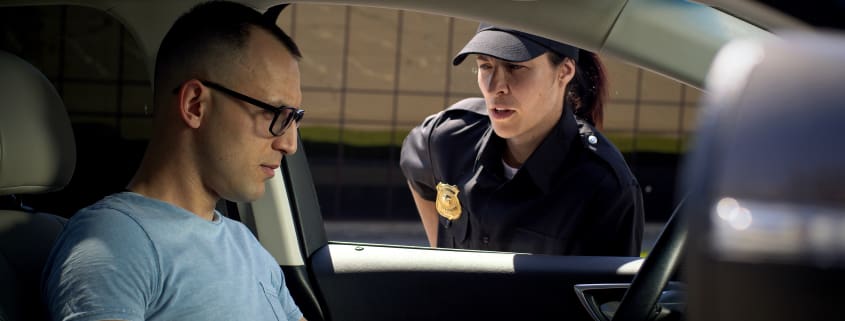
Second, keep your hands on the wheel at ten and two. Keeping your hands visible is critically important because this is the most dangerous time in a traffic stop from the officer’s perspective. They don’t know if someone just hijacked the car or if it’s actually Steve Vesey behind the wheel. When they arrive at the driver’s side window, they’re going to ask for three things:   your driver’s license, vehicle registration, and proof of insurance.

Take my advice here, because I get pulled over for speeding a lot and I know how to smooth out the process for all involved. I keep my registration and my insurance card in my visor. And then when the officer says, can I see your driver’s license? I always say to him, officer, I’m going to reach into my pocket and get it. Is that okay?

They always say yes.

If the officer asks you to get out of the caryou have to get out of the car. If you don’t get out of the car, they’re going to drag you out. People think, oh, I’m going to exercise my constitutional rights and refuse.

I tell people this all the time: the side of the road is not the place to engage a police officer in a debate about the Fourth, Fifth, or Fourteenth Amendments. Bu getting out of your car is the last thing you can be compelled to do during a traffic stop.

That means you do not have to answer questions you may be asked:

Where are you going? Officer, I choose to remain silent. Where are you coming from? Officer, I choose to remain silent. Were you drinking tonight? Officer, I choose to remain silent. Do you know why I pulled you over? No, officer, I don’t. The fact is you may incriminate yourself by answering any one or a combination of those questions.

So, be courteous, be nice, and just shup up.

Here’s another vital tip: don’t get out of your car before they ask you to do so. Exiting your vehicle before they instruct you to makes them very nervous.

Whether you remain in your car or leave it, if the police ask your permission to search your care never, never, never, say yes. If they had probable cause to search your car, they wouldn’t have to ask. But if they ask and you say yes and they find an old joint or discover something else that indicates you’re breaking the law you’re punched your own ticket to an arrest.

Finally, now that Ohio is a so-called Constitutional carry state you are allowed to carry a handgun your car, if a police officer asks if you have a gun in the car you are not allowed to lie. But I suggest that you tell an officer there is a gun in the car and where it is located.

All that said, I’ll now tell you why I believe the governor wants to move not wearing a seat belt from a secondary to a primary offense. It’s not to improve safety or reduce injuries caused by car wrecks.

It’s because, and call me cynical if you wish, doing so give cops another reason to make traffic stops which creates the opportunity for them to determine if the motorist in question is committing other crimes for which they can be arrested.

It’s as simple as that: more stops equals more arrests. So, in addition to making sure that your head doesn’t go through the windshield if you are in a crash, if Governor DeWine gets his way, buckling up will help keep you out of the big house.

As always, thanks for watching Legally Speaking on WFMJ Today. If you enjoy this program and wide variety of content we create, do us a sold by mashing the “Like,” “Subscribe,” and “Share” buttons. We deeply appreciate your support.

Tis the season to review Betras Kopp’s winter driving tips…

Just in case you haven’t looked outside yet, our “Three Ps” of safe winter driving tips will be extremely relevant and useful over the next couple of days.

Please be careful on the roads, and remember, if someone who isn’t driving safely runs into you or a member of your family, contact Betras, Kopp & Markota right away to arrange a free consultation to discuss your accident. Our experienced team of investigators and attorneys will evaluate your case, provide rock-solid advice, and fight to get the money your family needs and deserves.

So call the LOCAL law firm big enough to win millions from the insurance giants: BetrasKopp.

SAFETY ON WINTER ROADS

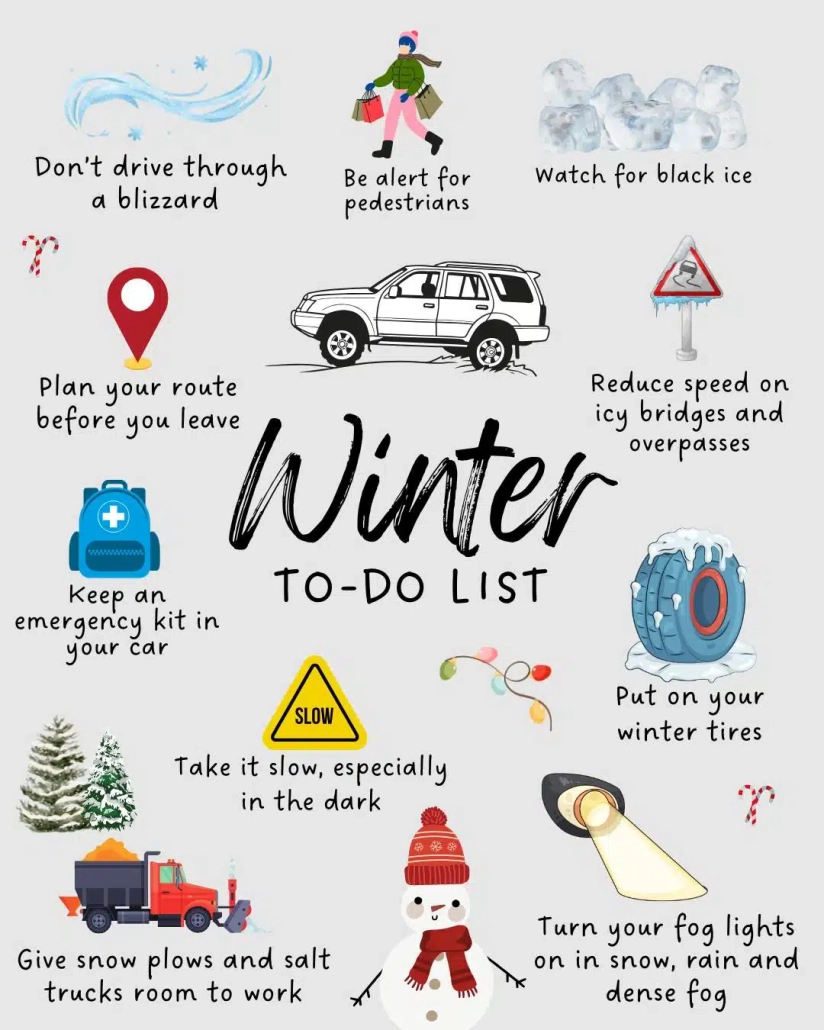
Bad roads can lead to bad wrecks. Driving on snow-covered, icy roads is tricky—even for those of us who have been doing it for decades. In order to help drivers avoid accidents, the National Highway Transportation Safety Administration and OSHA have developed the “Three Ps” of winter driving safety:

PREPARE for the trip. PROTECT yourself. PREVENT crashes on the road.

Some of the advice is pretty obvious—like making sure all the ice and snow is scraped off all your windows before you head down the road. But even though common sense dictates that being able to see is critical to safe driving, we’ve all seen people weaving around as they peer out of the very small space they’ve cleared on their windshield that looks like a porthole on a tank’s gun turret. There’s only one difference: a car isn’t a tank rolling through woods, it’s a car lurching down a road crowded with other vehicles that can be hit because the driver can’t see them, lane lines, traffic signals, or stop signs. So let’s start with the obvious, clear off all your windows, it’s a great way to prevent collisions. We’re talking to guys in particular because as the graphic shows, men are a lot more likely to drive in cars with ice-covered windows than women…

Here are the rest of NHTSA’s “Three Ps:

PREPARE

Maintain Your Car: Check battery, tire tread, and windshield wipers, keep your windows clear, put no-freeze fluid in the washer reservoir, and check your antifreeze.

Have On Hand: flashlight, jumper cables, abrasive material (sand, kitty litter, even floor mats), shovel, snow brush and ice scraper, warning devices (like flares), and blankets. For long trips, add food and water, medication, and cell phone.

Plan Your Route: Allow plenty of time (check the weather and leave early if necessary), be familiar with the maps/ directions, and let others know your route and arrival time.

Practice cold weather driving when your area gets snow — but not on a main road. Until you’ve sharpened your winter weather driving skills and know how your vehicle handles in snowy conditions, it’s best to practice in an empty parking lot in full daylight. Note our emphasis on the word “empty.”

Know what your brakes will do: stomp on antilock brakes, pump on non-antilock brakes.

Stopping distances are longer on water-covered ice and ice.

Don’t idle for a long time with the windows up or in an enclosed space.

PROTECT YOURSELF

Buckle up and use child safety seats properly.

Never place a rear-facing infant seat in front of an airbag.

Children 12 and under are much safer in the back seat.

Stopped or Stalled? Stay in your car, don’t overexert, put bright markers on antenna or windows and shine dome light, and, if you run your car, clear exhaust pipe and run it just enough to stay warm.

Don’t idle for a long time with the windows up or in an enclosed space.

PREVENT CRASHES

Drive slowly. It’s harder to control or stop your vehicle on a slick or snow-covered surface. On the road, increase your following distance enough so that you’ll have plenty of time to stop for vehicles ahead of you.

A word of caution about braking: Know what kind of brakes your vehicle has and how to use them properly. In general, if you have antilock brakes, apply firm, continuous pressure. If you don’t have antilock brakes, pump the brakes gently.

Stay calm and ease your foot off the gas while carefully steering in the direction you want the front of your vehicle to go if you find yourself in a skid. Stay off the pedals (gas and brake) until you are able to maintain control of your vehicle. This procedure, known as “steering into the skid,” will bring the back end of your car in line with the front.

Drugs and alcohol never mix with driving.

Texting while behind the wheel is especially dangerous in winter conditions. Put your phone down.

IF YOU ARE INVOLVED IN AN ACCIDENT CALL BK

Here’s one more tip: even though you do everything right, someone who does just one thing wrong in icy conditions can cause an accident in the blink of an eye. If you’re involved in a wreck caused by a careless or distracted driver contact BetrasKopp BEFORE you talk to an insurance agent or adjuster. We’ll arrange a free consultation that will give us the opportunity to evaluate your case and provide you with sound advice that will protect your rights and your ability to secure justice and the financial settlement you and your family need and deserve.

For more information, check out NHTSA’s interactive winter driving safety website by clicking here.